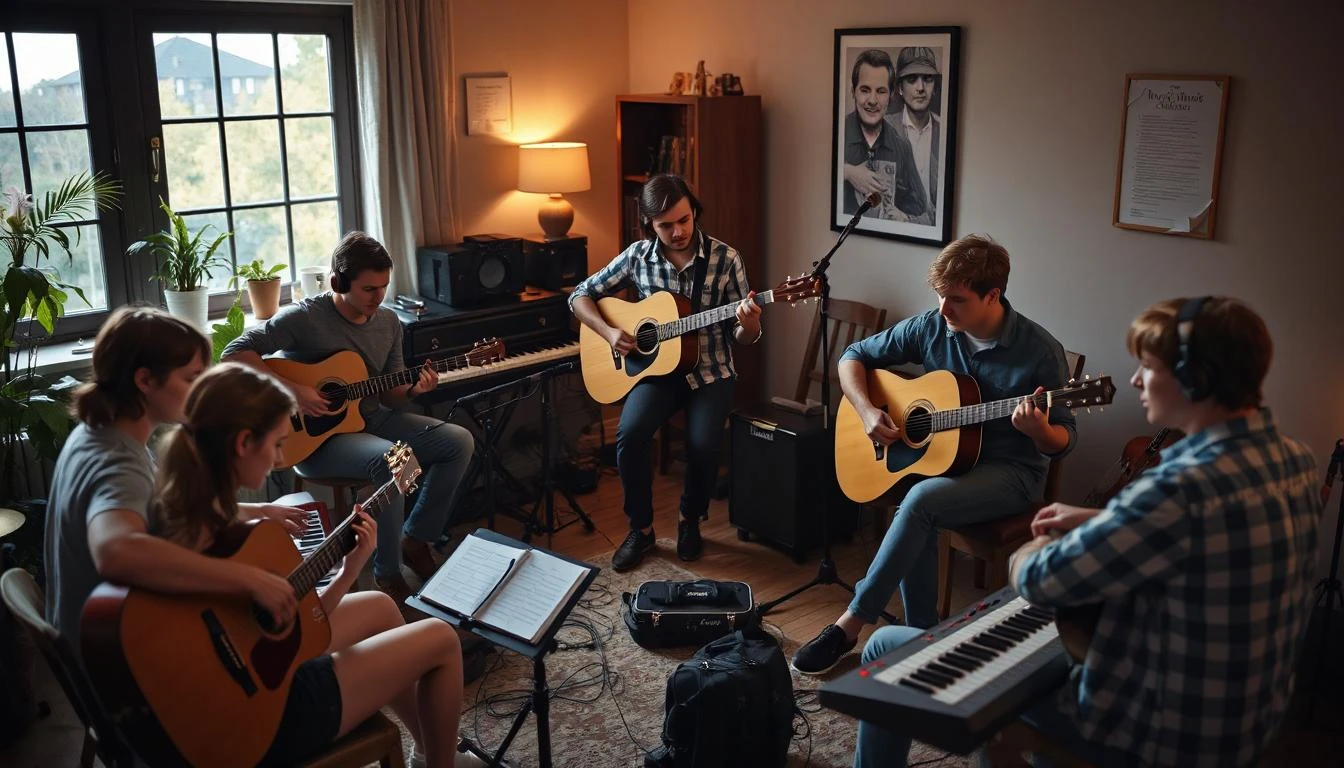
Music Culture Trends Around The World
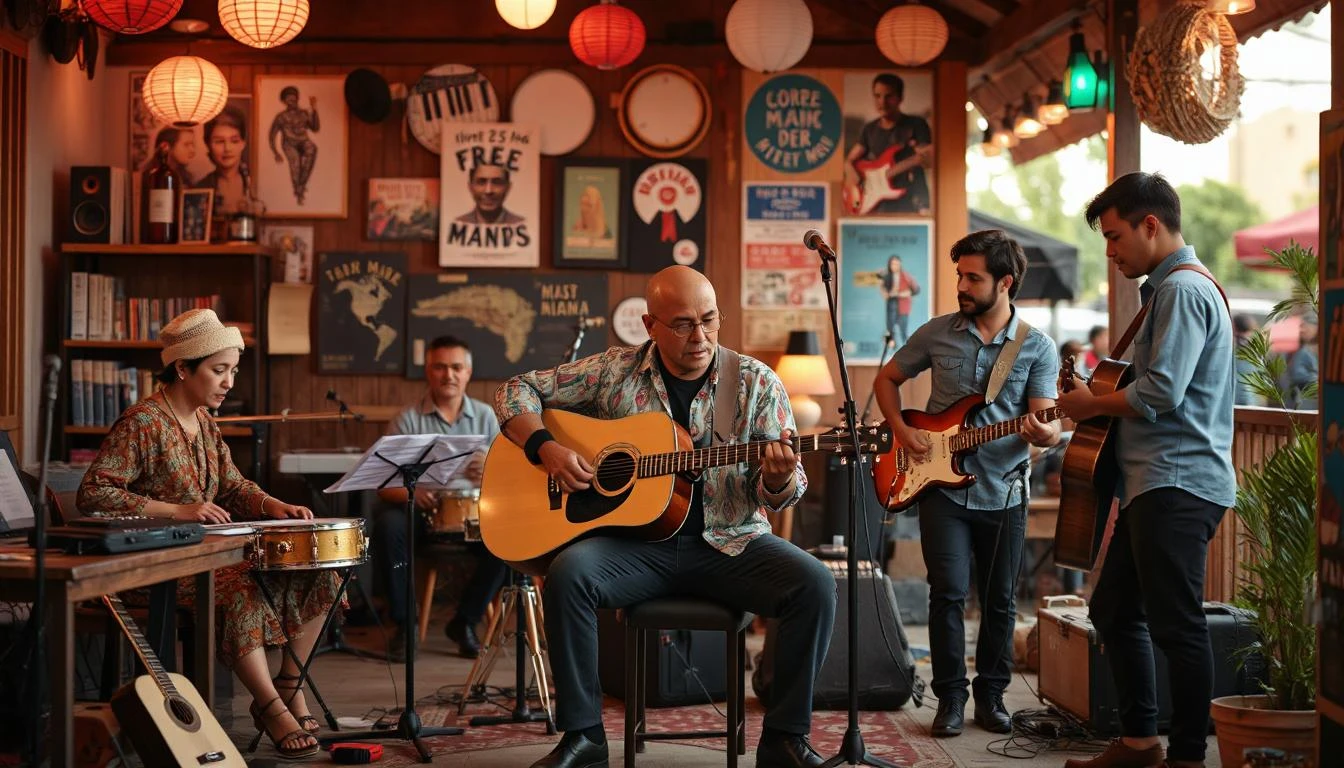
Music has become one of the most powerful cultural forces in the modern era, influencing how people communicate, connect, and express themselves across borders. From bustling cities to remote communities, musical movements continue to shape lifestyles, spark conversations, and create shared experiences that transcend language and geography. As technology accelerates cultural exchange, understanding the latest music culture trends becomes more important than ever for anyone interested in global entertainment and social evolution.
Today, modern music culture is evolving at an extraordinary pace, driven by digital innovation, global connectivity, and changing audience behaviors. What was once limited by geography can now reach millions of listeners within hours. This transformation is redefining how music is created, distributed, and experienced, making it one of the most fascinating cultural developments of our time.
The Evolution Of Global Music Culture
The story of music culture is a story of adaptation. Every generation inherits traditions from the past while simultaneously creating new sounds that reflect changing realities. As cultures become increasingly interconnected, music serves as both a historical archive and a glimpse into the future.
At the heart of this transformation lies creative music expression, which allows artists to blend heritage, innovation, and personal storytelling into unique musical experiences. This creative freedom has become one of the defining characteristics of contemporary music culture around the world.
Traditional Music Influences In Modern Genres
Traditional music continues to play a significant role in shaping contemporary genres. Folk melodies, indigenous instruments, classical compositions, and regional rhythms are increasingly finding their way into modern productions. Rather than disappearing, cultural traditions are evolving and adapting to modern audiences.
Many artists intentionally incorporate local musical elements to preserve cultural identity while appealing to international listeners. This approach creates music that feels both authentic and innovative, bridging generations through shared artistic heritage.
Cultural Exchange Through Digital Platforms
Digital platforms have revolutionized the way cultures interact through music. Streaming services, social media networks, and content-sharing platforms allow listeners to discover artists from virtually any corner of the world.
As a result, global audiences are becoming more open to diverse sounds and unfamiliar genres. Music that once remained confined to specific regions can now achieve international recognition, creating opportunities for cultural appreciation and artistic collaboration on an unprecedented scale.
The Rise Of International Music Communities
The internet has enabled the formation of international music communities that connect fans regardless of physical location. These communities foster discussions, recommendations, collaborations, and cultural exchanges centered around shared musical interests.
Listeners are no longer passive consumers. They actively participate in shaping trends, supporting emerging artists, and contributing to global conversations about music and culture. This sense of participation has strengthened the relationship between artists and audiences worldwide.
Popular Music Culture Trends Today
Music trends are changing faster than ever before. New technologies, shifting consumer preferences, and global connectivity are creating opportunities that would have seemed impossible just a decade ago. Understanding these trends offers valuable insight into the future of entertainment and culture.
Growth Of Independent Music Creators
Independent artists are experiencing unprecedented growth thanks to accessible production tools and direct distribution channels. Musicians can now record, produce, market, and monetize their work without relying entirely on traditional record labels.
This democratization of music creation has expanded artistic diversity and encouraged experimentation. Audiences benefit from a wider selection of unique voices and perspectives that might previously have struggled to find mainstream exposure.
Social Media Impact On Music Discovery
Social media has fundamentally transformed how listeners discover music. Viral videos, creator recommendations, and algorithm-driven content frequently determine which songs gain widespread attention.
Many of today's biggest hits first gained momentum through short-form content platforms before achieving commercial success. This shift has changed how artists approach promotion and audience engagement in the digital age.
Music industry analyst Mark Mulligan has observed that audience attention has become one of the most valuable assets in the modern entertainment landscape, highlighting how discovery mechanisms increasingly influence commercial success.
Fusion Of Genres Across Different Cultures
Genre fusion has become a defining characteristic of modern music. Artists routinely combine elements from different musical traditions to create fresh and distinctive sounds that resonate with global audiences.
The growing popularity of global music streaming trends, cross-cultural music collaborations, international music genre fusion, and digital music communities worldwide demonstrates how listeners increasingly embrace diversity in their musical experiences. This blending of styles reflects a broader cultural movement toward openness and creative experimentation.
How Music Culture Shapes Society
Beyond entertainment, music plays a profound role in shaping social behavior, cultural identity, and collective experiences. It influences how people view themselves, how communities interact, and how cultural values are transmitted across generations.
As societies continue to evolve, music remains one of the most effective tools for communication, inspiration, and connection, making its cultural impact impossible to ignore.
Music As A Form Of Identity And Expression
For many people, music serves as a reflection of personal identity. Musical preferences often communicate values, beliefs, experiences, and aspirations that words alone may struggle to express.
Artists also use music as a medium to explore social issues, celebrate cultural heritage, and inspire meaningful conversations. This expressive power helps explain why music remains relevant across all age groups and demographics.
Influence Of Music On Fashion And Lifestyle
Music and fashion have influenced each other for decades. Popular artists often shape trends in clothing, design, language, and lifestyle choices that extend far beyond the music industry itself.
From streetwear inspired by hip-hop culture to vintage aesthetics associated with classic rock movements, music continues to leave a lasting imprint on consumer behavior and cultural identity around the world.
Community Building Through Shared Musical Interests
Music creates opportunities for people to connect through common interests. Concerts, festivals, fan groups, and online communities provide spaces where individuals can build meaningful relationships based on shared passions.
These communities often foster belonging, creativity, and mutual support. In an increasingly digital world, music remains one of the most effective ways to bring people together despite differences in background, language, or location.
Music researcher Dr. Tia DeNora has emphasized that music actively participates in social life by influencing emotions, behaviors, and collective experiences, reinforcing its significance beyond simple entertainment.
Explore Music Culture Trends Around The World
As technology continues to advance and cultural boundaries become more fluid, music culture is entering a new era of innovation and global influence. Artificial intelligence, immersive experiences, virtual performances, and emerging creator economies are already reshaping how music is produced and consumed.
Perhaps the most exciting aspect of this evolution is that the next major trend could emerge from anywhere. A local artist, a niche community, or an unexpected cultural fusion may become tomorrow's global phenomenon. For listeners, creators, and industry observers alike, there has never been a more exciting time to explore the changing landscape of music culture.
The future of music belongs to those who remain curious, open-minded, and willing to discover new sounds from around the world. Explore, listen, and become part of the conversation.