Jam Sessions Tips For Beginners
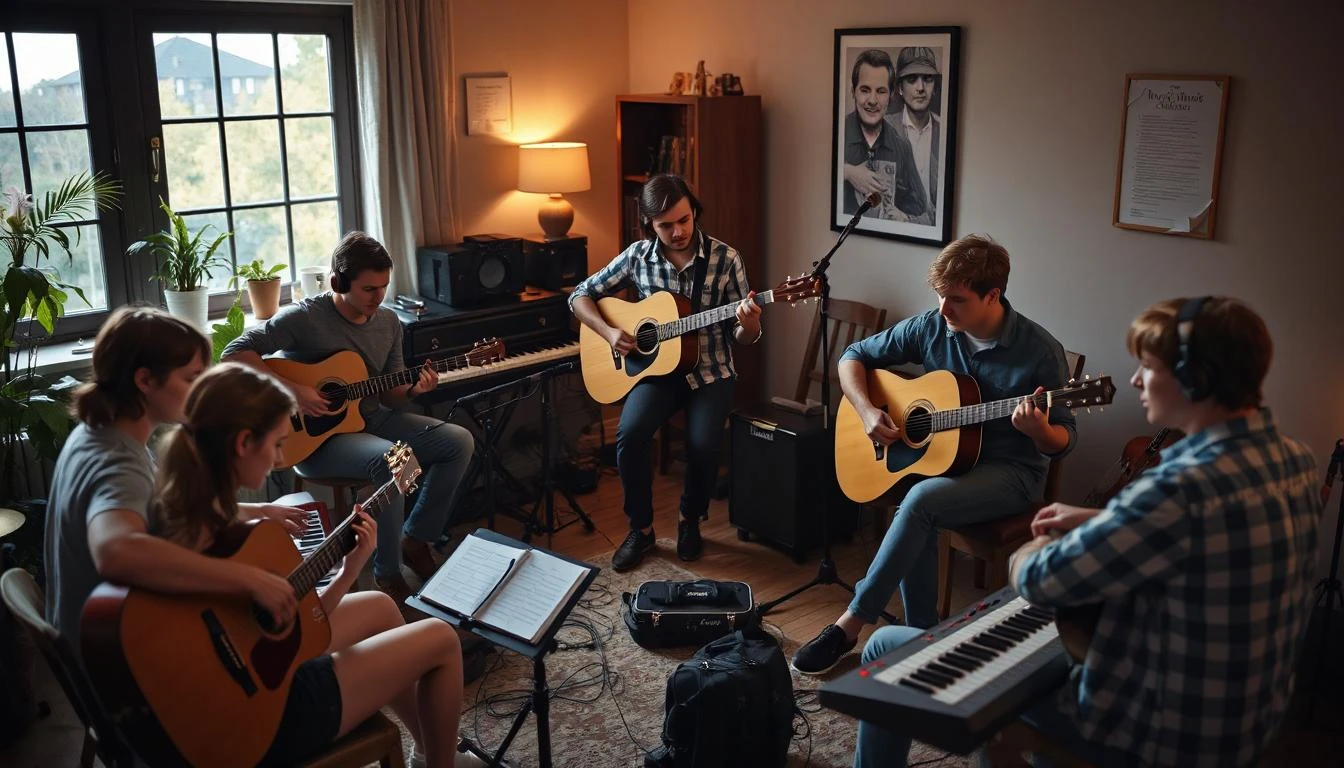
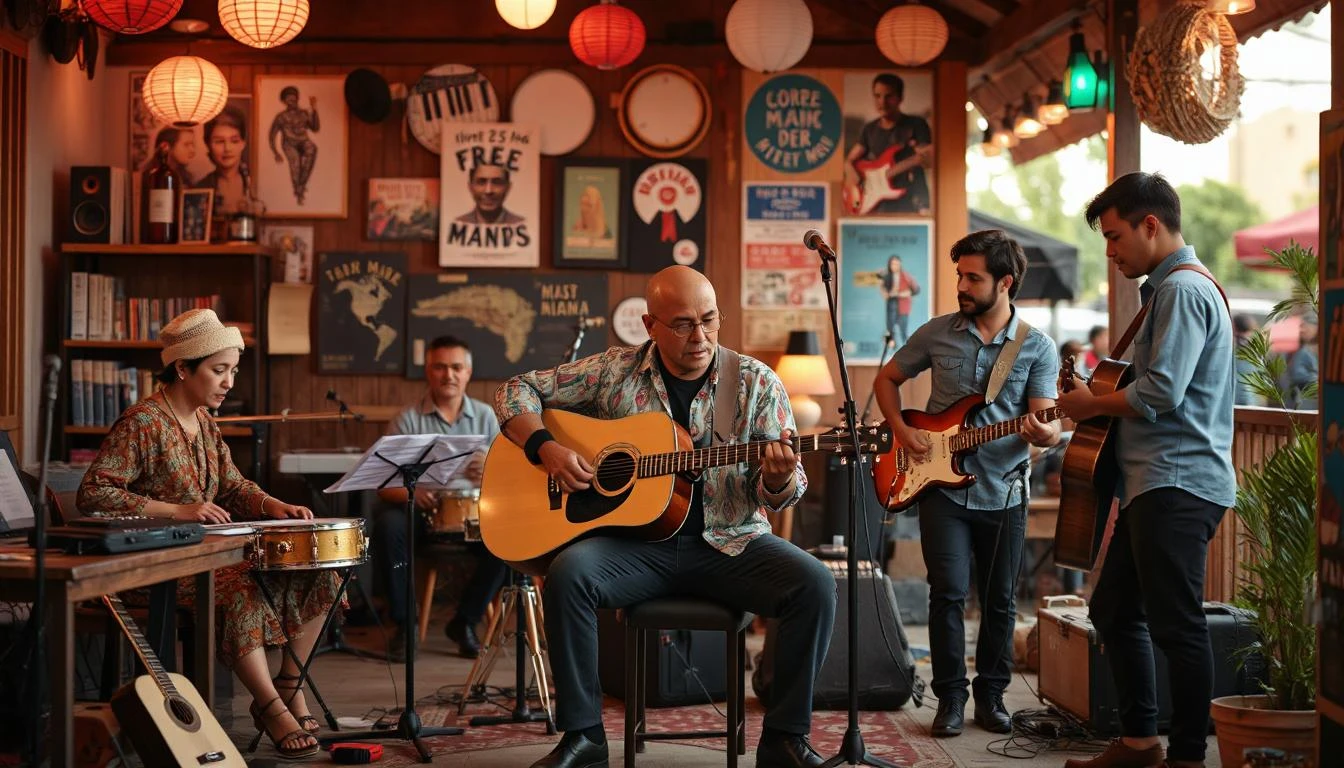
Every musician remembers the excitement and uncertainty of joining a jam session for the first time. It is a unique environment where preparation meets spontaneity, creating opportunities to learn lessons that cannot be found in books or practice rooms. Whether you play for fun or dream of performing professionally, understanding how jam sessions work can dramatically accelerate your musical development.
Many aspiring musicians search for beginner jam session tips because they want to feel more confident, play more naturally, and connect with other musicians without feeling overwhelmed. The good news is that jam sessions are not about perfection. They are about growth, collaboration, and discovering how music truly comes alive when shared with others.
Why Jam Sessions Are Important For Musicians
If you've ever wondered why experienced musicians consistently recommend playing with others, the answer is simple. Real growth often happens outside your comfort zone. Jam sessions create an environment where musicians can develop practical skills while adapting to unpredictable musical situations.
Music jam sessions provide an invaluable learning experience because they combine technical ability, listening skills, communication, and creativity in a single setting. As musicians interact in real time, they gain insights that solo practice alone cannot fully provide.
Improving Confidence Through Live Practice
Confidence is one of the first skills that develops during regular jam sessions. Playing in front of others can feel intimidating at first, but repeated exposure gradually reduces performance anxiety and helps musicians become more comfortable under pressure.
Instead of focusing on every small mistake, players learn how to stay engaged and continue performing. This shift in mindset creates resilience and prepares musicians for future performances, auditions, and live events.
Learning Teamwork And Collaboration
Music is rarely a solo endeavor. Successful performances rely on cooperation, awareness, and mutual respect among musicians.
Jam sessions teach players how to support one another rather than compete for attention. By learning when to play, when to listen, and when to step back, musicians develop a deeper understanding of ensemble dynamics and collaborative performance.
Developing Improvisation Skills Naturally
Improvisation is often viewed as an advanced skill, yet jam sessions provide one of the most natural ways to develop it.
When musicians repeatedly interact with different chord progressions, rhythms, and melodies, they begin recognizing musical patterns instinctively. Over time, spontaneous creativity becomes less intimidating and more enjoyable, allowing players to express themselves with greater authenticity.
Essential Tips For Beginner Jam Sessions
Starting strong does not require advanced technical skills. In fact, some of the most effective strategies for beginners focus on simplicity, awareness, and consistency rather than complexity.
As legendary jazz pianist :contentReference[oaicite:0]{index=0} once said, "The real teacher is the music itself." This perspective perfectly reflects the value of learning through active participation rather than waiting until every skill feels perfect.
Choosing Simple Songs And Chord Progressions
Many beginners make the mistake of selecting songs that are too challenging. While ambition is valuable, simple material often provides better learning opportunities.
Basic blues progressions, common pop songs, and straightforward rock arrangements allow musicians to focus on timing, interaction, and musical communication. Mastering simple structures creates a stronger foundation for tackling more advanced material later.
Listening Carefully To Other Musicians
One of the most overlooked skills in music is listening.
During a jam session, paying attention to other musicians is often more important than showcasing technical ability. Active listening helps players recognize transitions, dynamics, rhythmic changes, and opportunities to contribute effectively.
The strongest musicians are often the best listeners because they understand how every part contributes to the overall sound.
Maintaining Rhythm And Timing Consistency
Strong rhythm can make even simple performances sound professional. Weak timing, however, can disrupt an entire group regardless of individual talent.
Beginners should focus on maintaining a steady pulse and staying connected with the drummer or rhythm section. Practicing regularly with a metronome can significantly improve consistency and help musicians perform with greater confidence.
Common Challenges During Jam Sessions
Every musician encounters obstacles when participating in jam sessions. The difference between improvement and frustration often comes down to recognizing these challenges and approaching them with the right mindset.
Understanding what commonly goes wrong can help beginners avoid unnecessary setbacks and continue progressing more effectively.
Overplaying And Lack Of Coordination
Many new musicians feel the need to fill every available space with notes. While enthusiasm is valuable, excessive playing can make music sound cluttered and unfocused.
Learning to leave space is a critical skill. Strategic pauses often make performances more expressive and allow other musicians to contribute meaningfully. Sometimes the notes you choose not to play are just as important as the ones you do.
Fear Of Making Mistakes While Performing
Fear of mistakes prevents many musicians from reaching their potential.
The reality is that every experienced performer has made countless mistakes throughout their journey. What separates successful musicians is their ability to learn from those moments rather than avoid them.
Mistakes are not evidence of failure. They are evidence of participation, experimentation, and growth.
Communication Problems Between Players
Communication extends far beyond words during a jam session.
Musicians frequently rely on eye contact, body language, and subtle cues to signal transitions, solos, endings, and tempo changes. Beginners who develop awareness of these signals often integrate more smoothly into group performances.
The more frequently you participate in jam sessions, the more natural these forms of communication become.
Build Better Skills With Jam Sessions Practice
The true value of jam sessions becomes apparent over time. Each session strengthens confidence, creativity, adaptability, listening ability, and musical awareness. What may feel challenging today often becomes second nature after consistent practice.
Renowned bassist :contentReference[oaicite:1]{index=1} once explained that music is a language, and like any language, it is learned most effectively through interaction with others. His perspective highlights why musicians who regularly participate in collaborative playing environments often progress faster than those who practice exclusively alone.
As you continue exploring jam sessions, you may notice improvements not only in your technical skills but also in your ability to communicate through music. Those moments of connection, spontaneity, and shared creativity are what keep musicians returning to jam sessions year after year.