
Simple Instrument Guides For Daily Practice
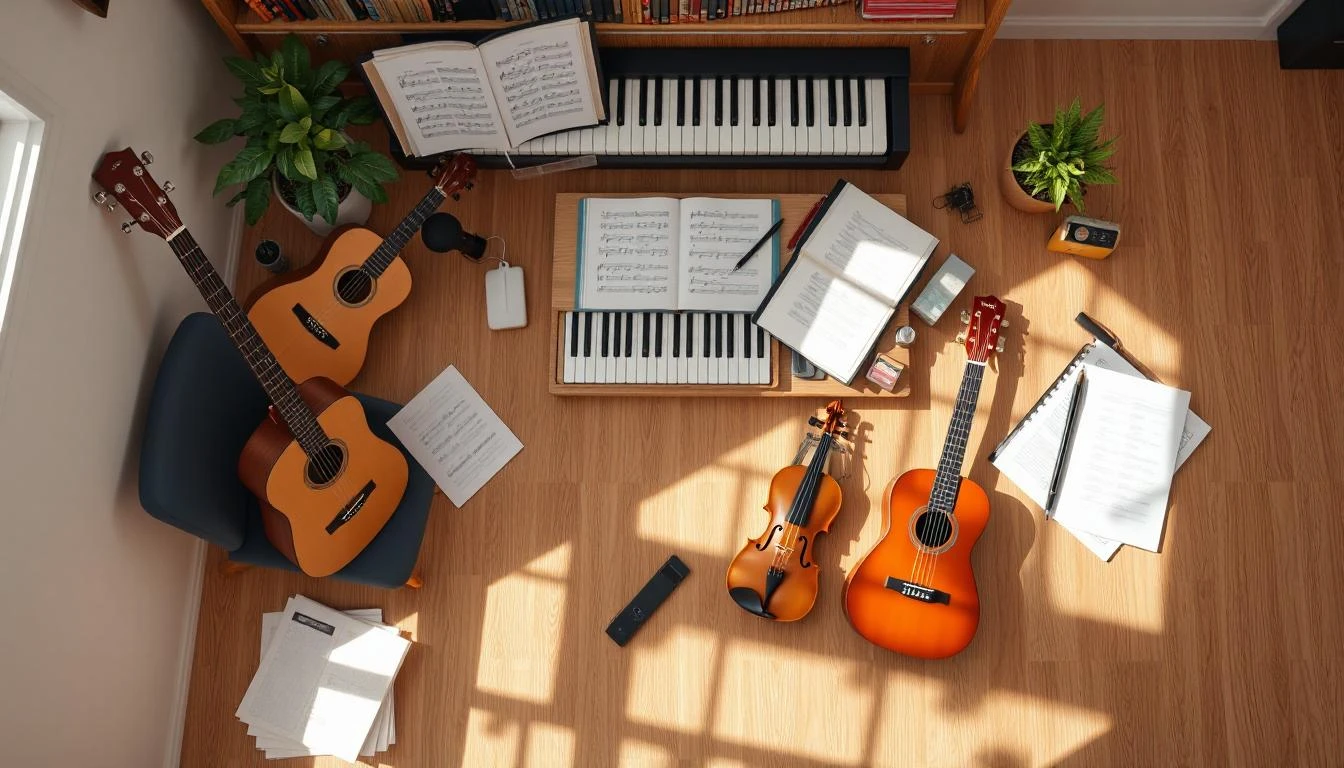
Learning a musical instrument is one of the most rewarding skills anyone can develop. Beyond creating beautiful sounds, regular practice strengthens focus, patience, creativity, and discipline. Whether you are picking up an instrument for the first time or returning after a long break, the right approach can make your progress feel smoother, more enjoyable, and far more sustainable.
Many aspiring musicians search for beginner instrument guides because they want practical methods that produce real results without feeling overwhelming. The good news is that consistent daily practice, supported by proven learning techniques, can help transform small efforts into noticeable improvements while keeping motivation high throughout the learning journey.
The Importance Of Daily Instrument Practice
Every successful musician starts with a simple habit: showing up to practice regularly. Daily sessions do not need to be lengthy or exhausting. What matters most is consistency. Before exploring specific techniques, it is important to understand why daily practice remains one of the most powerful factors in musical development.
The process of learning musical instruments becomes significantly easier when practice turns into a routine rather than an occasional activity. Consistency allows skills to accumulate naturally, creating steady progress that often feels effortless over time.
Building Consistent Musical Progress
Musical improvement rarely happens overnight. Instead, it develops through small gains that compound over weeks and months. Practicing regularly helps learners absorb new concepts gradually, making complex techniques easier to understand and apply.
When beginners follow a structured routine, they often notice improvements in note recognition, finger placement, and overall musical awareness. These small victories create momentum that encourages continued learning and long-term commitment.
Improving Coordination And Muscle Memory
Every instrument requires coordination between the brain and the body. Repeating scales, exercises, and simple movements trains muscles to respond more efficiently while strengthening neural pathways associated with performance.
As muscle memory develops, players spend less time thinking about individual movements and more time focusing on musical expression. This shift allows practice sessions to become increasingly productive and enjoyable.
Developing Confidence Through Repetition
Confidence is built through familiarity. The more often a musician practices a specific skill, the more natural it becomes during performance.
Renowned cellist Yo-Yo Ma once emphasized that mastery comes from continually returning to the fundamentals. His perspective highlights an important truth: repetition is not a sign of limitation but a pathway toward confidence, consistency, and artistic freedom.
Beginner Friendly Instrument Practice Techniques
Knowing that practice is important is only the beginning. The next step is understanding how to practice effectively. The following techniques help beginners maximize every session while maintaining enthusiasm and avoiding frustration.
Starting With Scales And Basic Exercises
Scales may seem repetitive, but they form the foundation of musical fluency. They improve finger dexterity, strengthen technique, and develop familiarity with note patterns.
Basic exercises also help warm up the hands and prepare the mind for focused learning. Spending a few minutes on these fundamentals at the beginning of each session can dramatically improve overall performance quality.
Practicing Rhythm And Timing Daily
Rhythm serves as the backbone of music. Even the most beautiful melodies can sound incomplete without proper timing.
Using a metronome during daily practice helps develop a reliable sense of rhythm. Over time, learners become more comfortable maintaining consistent tempo, which enhances both solo performances and group playing situations.
Learning Simple Songs For Motivation
One of the fastest ways to stay motivated is to learn songs that are enjoyable and recognizable. Simple pieces allow beginners to apply new techniques while experiencing the satisfaction of making real music.
These songs also provide valuable opportunities to practice transitions, timing, dynamics, and expression in a practical context. The sense of accomplishment gained from completing a song often becomes a powerful motivator for continued improvement.
Tips For Effective Instrument Learning
While practice is essential, smart practice produces the best results. Developing effective learning habits can help musicians progress more efficiently and avoid common obstacles that slow improvement.
Setting Realistic Practice Goals
Clear and achievable goals provide direction during practice sessions. Instead of focusing on mastering an entire instrument, concentrate on smaller objectives such as learning a scale, improving chord transitions, or mastering a short section of a song.
These manageable milestones create a sense of progress while reducing frustration and maintaining motivation over the long term.
Using Online Tutorials And Learning Tools
Modern technology has transformed music education. Online lessons, interactive applications, video demonstrations, and digital sheet music provide learners with access to valuable resources from anywhere in the world.
Many beginners benefit from combining traditional practice methods with digital learning platforms. This approach creates a well-rounded learning experience that accommodates different learning styles and skill levels.
Tracking Progress And Improving Weak Areas
Progress tracking helps musicians identify strengths and weaknesses more effectively. Recording practice sessions, maintaining a journal, or reviewing performance videos can reveal areas that require additional attention.
Music educator Dr. Anita Collins, known for her work on brain development and music learning, has frequently highlighted how deliberate practice strengthens learning outcomes. Her research supports the idea that targeted improvement often produces faster results than simply repeating familiar material.
Improve Your Skills With Simple Instrument Guides
The journey of learning an instrument is not about achieving perfection as quickly as possible. It is about building skills steadily, developing confidence, and discovering enjoyment in the process itself.
As daily practice becomes part of your routine, you may begin noticing improvements that once seemed distant. Notes become clearer, movements feel more natural, and songs that once appeared difficult start to feel achievable. The combination of consistency, patience, and reliable beginner instrument guides creates a foundation for lasting musical growth.
Perhaps the most encouraging aspect of music education is that progress is available to anyone willing to remain consistent. No matter your age or experience level, every practice session contributes to future improvement. The next breakthrough could be much closer than you think, so keep playing, keep learning, and continue exploring the possibilities your instrument has to offer.